Homeowners Club If you are one of the 15 million homeowners in the UK, the free to join online Homeowners Club is for you.

Related Articles


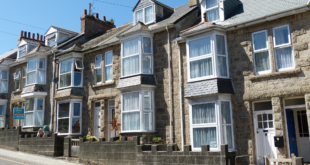
Across the United Kingdom, where you live can dramatically affect what you pay for a home. One of the most persistent patterns in the UK housing market is the north‑south divide — a gap between house prices and living costs in the southern regions (especially around London and the South East) and those in the North of England, Scotland, and parts of Wales. This divide reflects economic history, transport links, employment opportunities, and local demand — and it shapes where people choose to live, work, and raise families.
What Is the North‑South Home Cost Divide?
At its simplest, the north‑south divide in property prices refers to the long‑standing trend where homes in southern England — particularly in and around London — are significantly more expensive than homes in northern England, Scotland, and Wales.
For example:
- A typical house in Greater London or the South East can cost well above the UK average.
- In contrast, many areas in the North West, North East, and Yorkshire have median house prices far below the national figure.
This pattern isn’t just about individual cities — it’s regional and structural.
Why the Divide Exists
1. Economic Opportunities
Southern regions — especially London, Oxford, Cambridge, and the Home Counties — host a higher concentration of:
- Financial services
- Tech and professional jobs
- Headquarters of multinational companies
Higher salaries in these sectors increase demand for housing, pushing prices up.
In many northern regions, while there are thriving local economies (e.g., Manchester, Leeds, Newcastle), average wages tend to be lower than in the South East. That affects what buyers can afford — and what sellers can charge.
2. Transport and Commuter Links
Access to fast transport links can make a location more desirable:
- Places with direct rail lines into London (e.g., Guildford, Reading, St Albans) often have premium prices.
- The North has excellent connectivity too (e.g., HS2 links and major intercity lines), but the distances and historical patterns of commuting still favour the South.
Good transport infrastructure essentially shrinks distance from job centres — and that convenience comes at a cost.
3. Historical Development
The South has had a longer history of economic dominance in terms of finance, government, and business services. London’s role as a global city attracts international investment that spills over into property markets regionally. Over time, this has created persistent pricing differentials.
Meanwhile, many northern towns grew around industries like manufacturing and shipbuilding, which declined in the late 20th century. Although many are now thriving culturally and economically, property markets in these areas started from different historical baselines.
4. Lifestyle and Amenity Desirability
Southern regions often sit near attractive commuter towns with amenities such as:
- Top‑ranked schools
- Historic towns and villages
- Proximity to countryside (Surrey Hills, South Downs)
This combination of lifestyle and access adds value to homes.
That said, northern areas also have strong appeal — from the Yorkshire Dales and Lake District to vibrant city culture in Manchester and Sheffield — but that appeal hasn’t translated into the same price premiums yet.
What the Numbers Show
Across the UK:
- London and the South East consistently top the charts for highest average house prices.
- Northern regions (North East, North West, Yorkshire & The Humber) often sit well below the national average.
- Scotland and Wales generally trend lower than England’s southern region prices too, though there are exceptions in sought‑after coastal or urban areas.
This means — pound for pound — your money goes further further north. A home that might cost over £500,000 in the South could cost £250,000 or less in many northern towns.
So Does That Mean the North Is Always Cheaper?
Not always. Within regions, there is significant variation:
Northern Hotspots
- Cities like Manchester, Leeds, and Edinburgh have seen strong price growth.
- Popular commuter towns outside northern cities (e.g., Altrincham near Manchester) command premium values.
Southern Affordability Challenges
- Even the South West or East Midlands sometimes have towns more affordable than London’s commuter belt.
- Some coastal or rural southern areas can be relatively inexpensive compared to prime commuter zones.
So while the north‑south divide is real on average, local factors matter.
Why It Matters to Buyers and Renters
For First‑Time Buyers
Lower average prices in northern regions can help new buyers get on the property ladder sooner — often with smaller deposits and monthly costs.
For Commuters and Remote Workers
Remote work trends have blurred the traditional commuter map. People increasingly choose homes for lifestyle and space, not just proximity to a city centre. This has softened the divide somewhat but hasn’t erased underlying price differences.
For Movers and Retirees
Many people relocating for lifestyle — downsizers, retirees, or remote workers — are exploring towns that offer quality of life and greater affordability outside the South East.
Looking Forward: Is the Divide Shrinking?
There are hints the gap may shift over time:
- Investment in transport and regeneration in northern cities
- Growth of digital and creative industries outside the South
- Remote and hybrid working reducing the premium on proximity
However, structural price differences are deep‑rooted and unlikely to disappear overnight.
In Summary
The north‑south home cost divide in the UK reflects:
- Economic opportunity concentrations
- Transport and commuting patterns
- Historical development
- Lifestyle desirability
Homes in the South — especially around London — remain significantly more expensive on average, but northern cities and towns offer strong alternatives with more affordable housing and growing demand of their own.
Where you live in the UK today depends on what you value most — whether that’s a short commute to high‑paying jobs, affordability and space, or quality of life in vibrant regional communities.