Homeowners Club If you are one of the 15 million homeowners in the UK, the free to join online Homeowners Club is for you.
Related Articles

A clutter-free home doesn’t just look better—it can also improve your mood, make cleaning easier and help you feel more organised. Whether you’re struggling with overflowing cupboards, busy worktops or rooms filled with items you rarely use, a few simple changes can make a big difference.
The good news is that decluttering doesn’t have to mean throwing everything away. With some clever storage solutions and a few new habits, you can create a home that feels more spacious and functional.
Here are ten of the best home hacks to help you conquer clutter for good.
1. Follow the One-In, One-Out Rule
One of the easiest ways to stop clutter building up is to make sure that every new item entering your home replaces an old one.
For example:
- Buy a new pair of shoes? Donate an old pair.
- Replace a kitchen gadget? Recycle or give away the old one.
- Purchase a new coat? Sell or donate one you no longer wear.
This simple habit prevents cupboards and wardrobes from gradually becoming overcrowded.
2. Maximise Vertical Storage
When floor space is limited, think upwards rather than outwards.
Installing shelves, hooks and wall-mounted storage can free up valuable room while keeping everyday items within easy reach.
Great options include:
- Floating shelves
- Pegboards for tools or craft supplies
- Over-door organisers
- Wall hooks in hallways
- Tall bookcases
- Hanging kitchen rails
Using vertical space can make even smaller homes feel much larger.
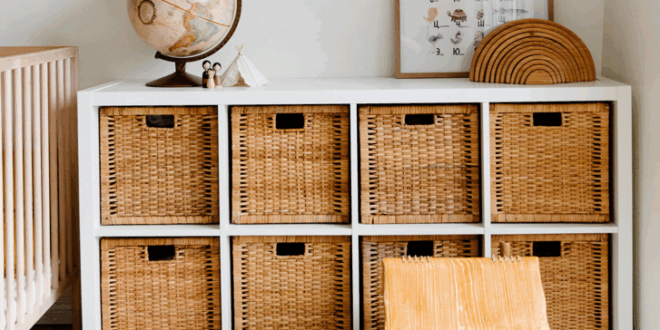
3. Use Storage Baskets Throughout the Home
Storage baskets are one of the simplest ways to organise loose items without creating more visual clutter.
They’re perfect for storing:
- Children’s toys
- Blankets and cushions
- Magazines
- Shoes
- Cleaning products
- Bathroom toiletries
Choosing matching baskets can also create a more coordinated and tidy appearance.
4. Declutter Little and Often
Trying to tackle an entire house in one weekend can quickly become overwhelming.
Instead, set yourself a small daily challenge, such as:
- One kitchen drawer
- A single wardrobe shelf
- The bathroom cabinet
- Your bedside table
Spending just 10 to 15 minutes a day decluttering is often more manageable and helps maintain long-term progress.
5. Create a Drop Zone Near the Front Door
Hallways often become dumping grounds for keys, bags, shoes and post.
A dedicated drop zone can keep everything organised.
Include:
- A key hook
- Shoe storage
- A small bench
- A basket for post
- A tray for wallets and sunglasses
- Coat hooks
Having a designated place for everyday essentials saves time and reduces clutter throughout the rest of the house.
6. Make Better Use of Under-Bed Storage
The space beneath your bed is ideal for storing items you don’t need every day.
Store things like:
- Seasonal clothing
- Spare bedding
- Shoes
- Suitcases
- Christmas decorations
Low-profile storage boxes or vacuum storage bags can help maximise every inch of available space.
7. Organise Cupboards with Clear Containers
Kitchen cupboards and pantries can quickly become disorganised.
Decanting food into clear, labelled containers makes it easier to see what you have while creating a cleaner, more organised look.
They’re ideal for:
- Pasta
- Rice
- Flour
- Cereals
- Baking ingredients
- Snacks
You’ll also be less likely to buy duplicates when everything is visible.
8. Digitise Paperwork
Paper clutter can build up surprisingly quickly.
Reduce piles of paperwork by:
- Scanning important documents.
- Switching to paperless billing where possible.
- Storing digital copies securely.
- Recycling old receipts and statements you no longer need.
Keeping only essential physical documents can free up drawers and filing cabinets.
9. Label Everything
Labels aren’t just for offices—they’re a great way to keep the whole household organised.
Consider labelling:
- Storage boxes
- Pantry containers
- Children’s toy bins
- Garage shelving
- Cleaning cupboards
- Office files
When everyone knows where things belong, they’re much more likely to be put back in the right place.
10. Schedule a Monthly Declutter
Clutter naturally builds up over time, so regular maintenance is key.
Set aside an hour each month to:
- Donate unused clothing.
- Recycle broken items.
- Empty junk drawers.
- Sort children’s toys.
- Check food cupboards for expired products.
- Reorganise storage areas.
A regular reset prevents clutter from becoming overwhelming again.
Bonus Tips for Staying Organised
Keeping your home tidy isn’t just about storage—it’s about creating habits that stop clutter from returning.
Try to:
- Put items away immediately after using them.
- Avoid buying things without a clear purpose.
- Finish one room before starting another.
- Keep kitchen worktops as clear as possible.
- Make your bed each morning to instantly improve the look of your bedroom.
Small daily routines often have the biggest impact over time.
Common Decluttering Mistakes to Avoid
Even with the best intentions, it’s easy to make decluttering harder than it needs to be.
Avoid these common pitfalls:
- Keeping items “just in case” that haven’t been used for years.
- Buying storage before deciding what you actually need to keep.
- Trying to organise instead of decluttering first.
- Taking on too much at once and losing motivation.
- Holding on to broken or duplicate items unnecessarily.
Remember, the goal isn’t to own less for the sake of it—it’s to create a home that works better for you.
Creating a clutter-free home doesn’t happen overnight, but small, consistent changes can make a remarkable difference. By making better use of storage, adopting simple organising habits and regularly reviewing what you own, you can enjoy a home that feels calmer, more spacious and easier to maintain.
The best decluttering system is one you can stick with. Start with just one area today, and before long you’ll notice that keeping your home organised becomes part of your everyday routine rather than a daunting task.